




Forestry Plantation Activities
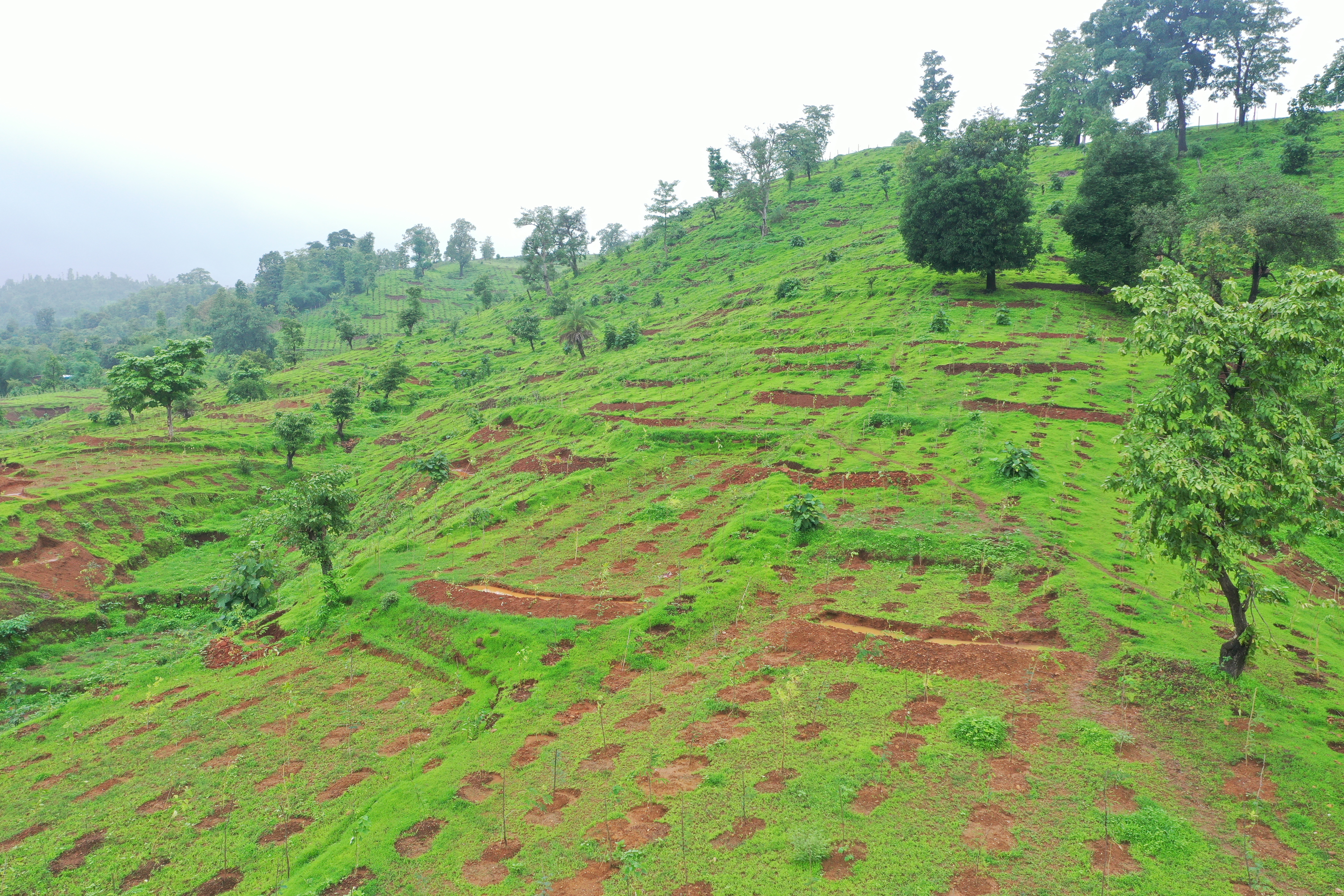
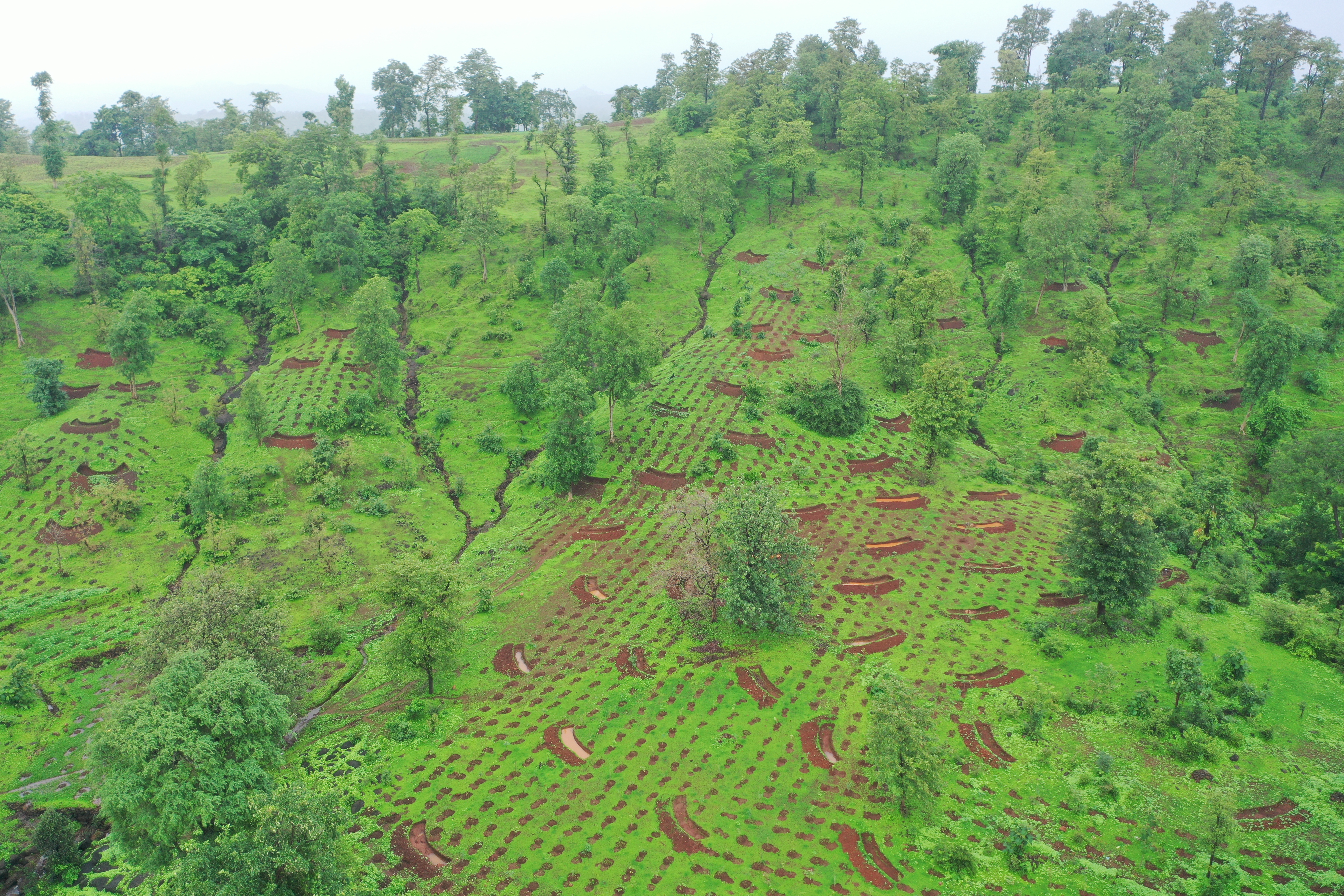
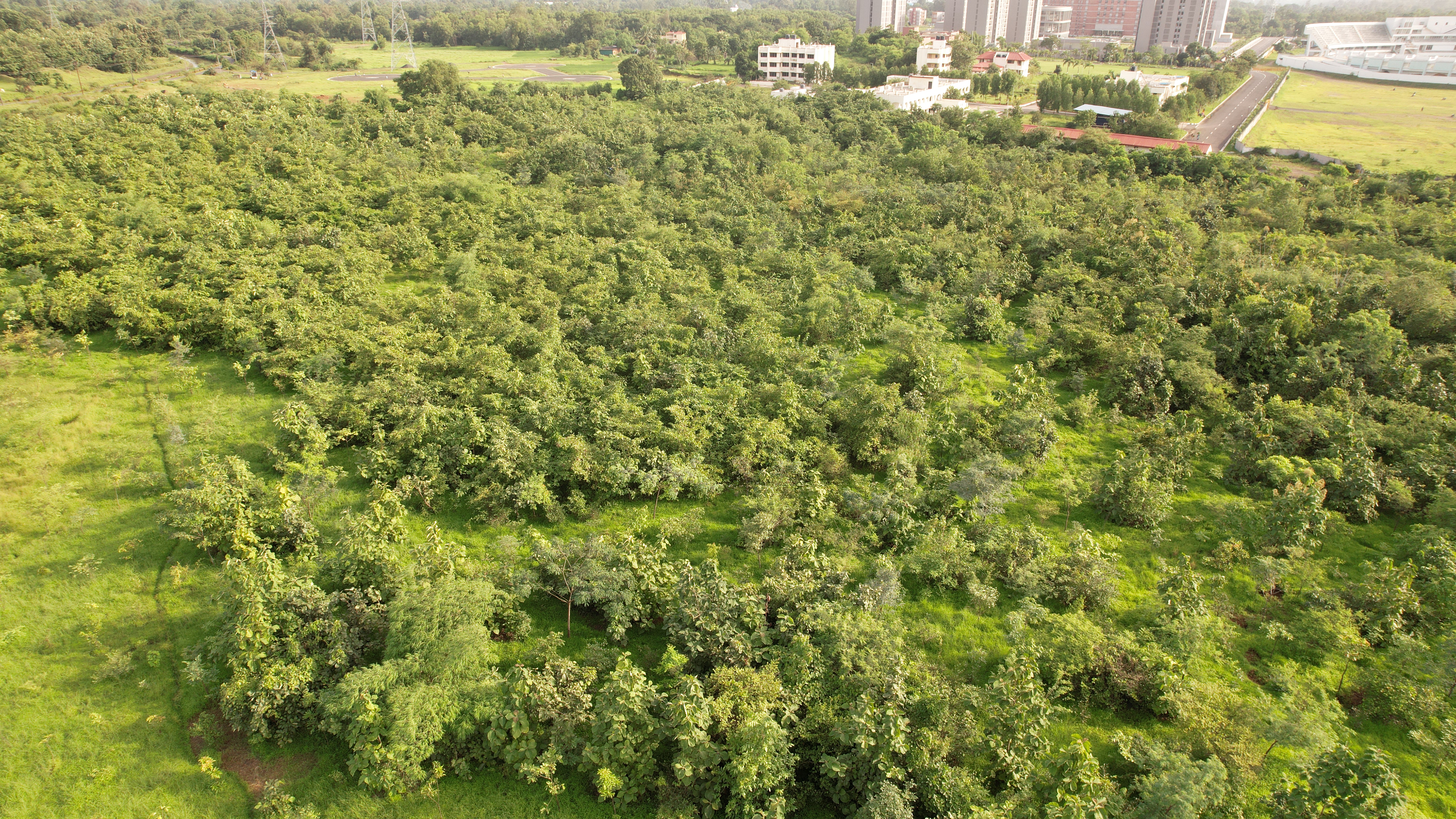
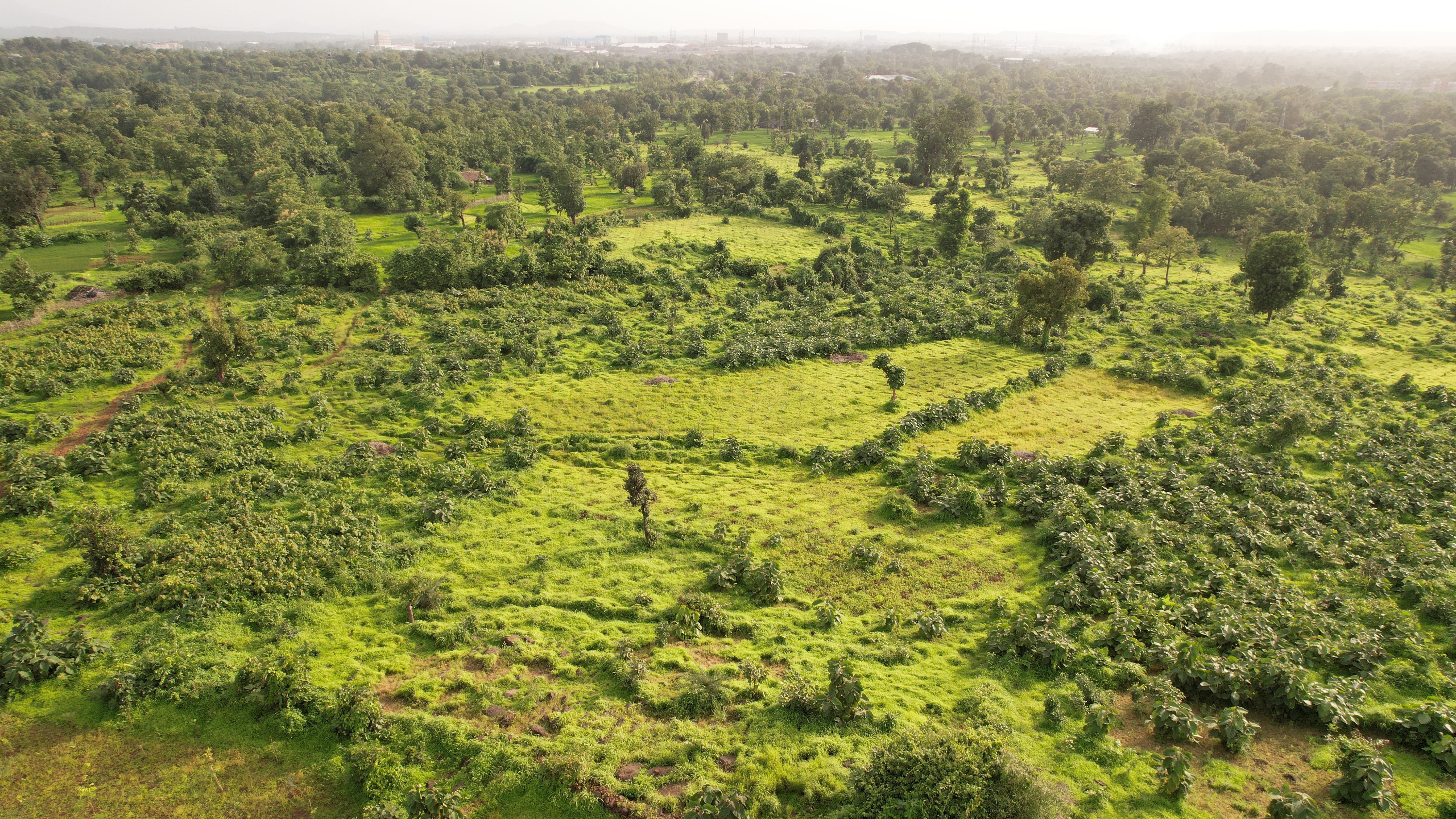
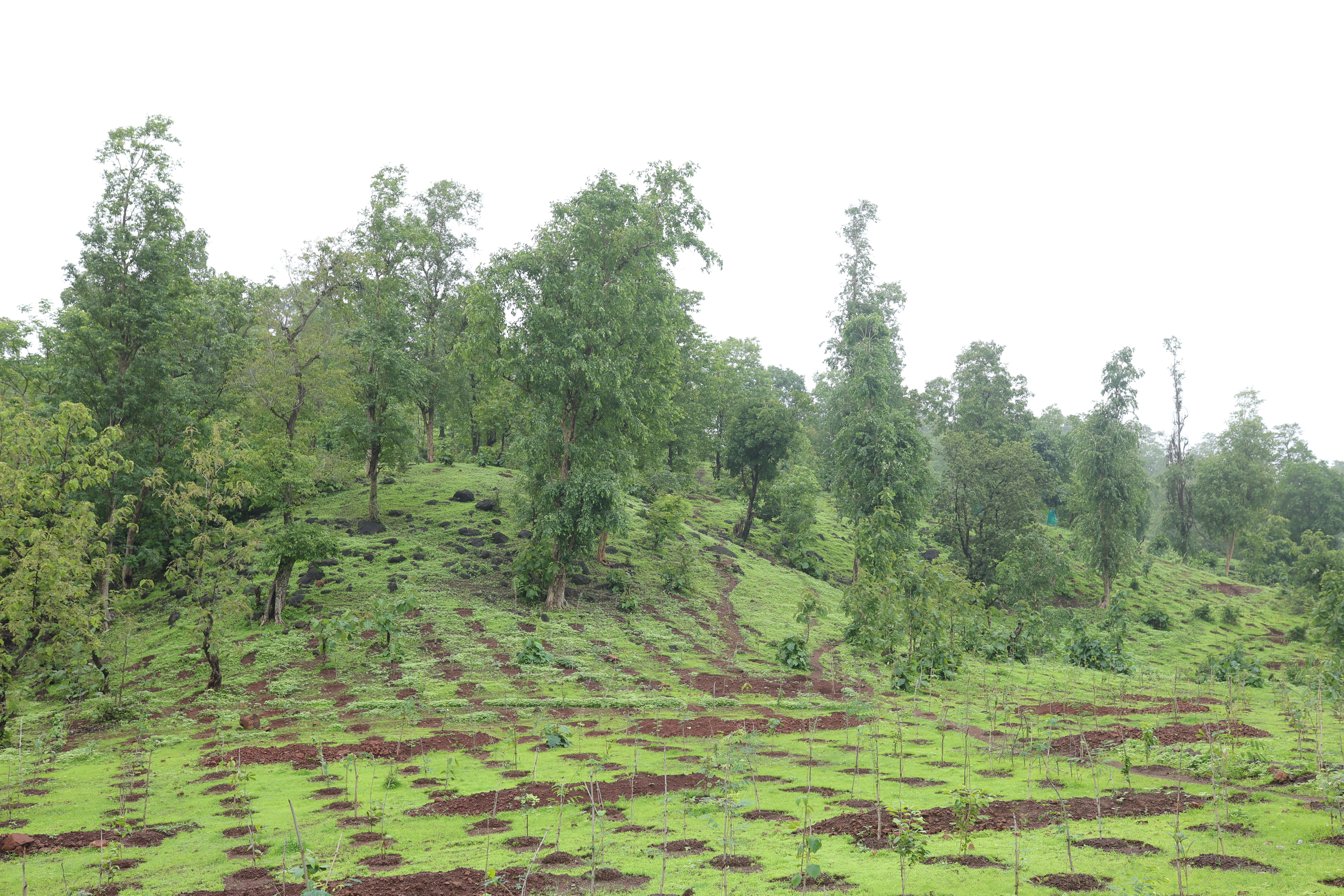
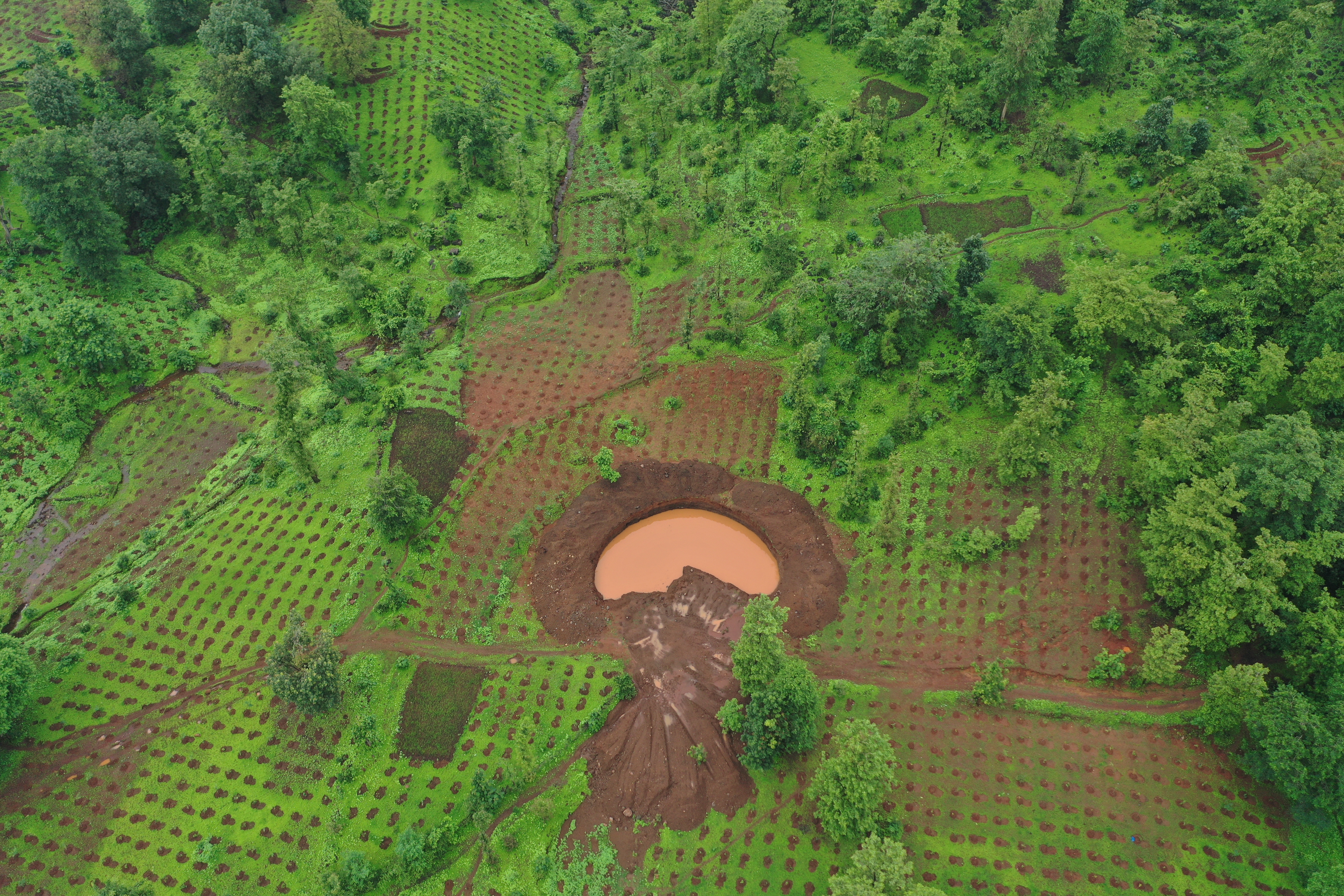
The major focus area of work for the department of forest and wildlife is carrying out plantation activities with local native species inside forest and wildlife areas. Plantation of native species in forest areas significantly enhances ecological stability, biodiversity, and long-term sustainability of forests. These species are better adapted to local climate and soil conditions, ensuring higher survival rates, lower maintenance needs, and stronger support for wildlife habitats. Their deep and diverse root systems improve soil structure, enhance soil moisture conservation, reduce erosion, and contribute to healthier watershed functioning. These plantations also strengthen ecosystem services such as nutrient cycling, pollination, and groundwater recharge.
Increasing forest cover directly supports India’s policy target of achieving 33% forest and tree cover while contributing to climate regulation and global warming mitigation. Local species plantations improve microclimate conditions by reducing temperature extremes, increasing humidity, and stabilizing rainfall patterns. They serve as effective carbon sinks, helping meet India's climate commitments under the Paris Agreement. Additionally, native forests generate livelihood benefits through non-timber forest products (NTFPs), encouraging community participation and fostering long-term forest health and resilience. The department has targeted and completed more than 1000 ha plantation every year in the forest areas of UT of DNH&DD since 2024-25